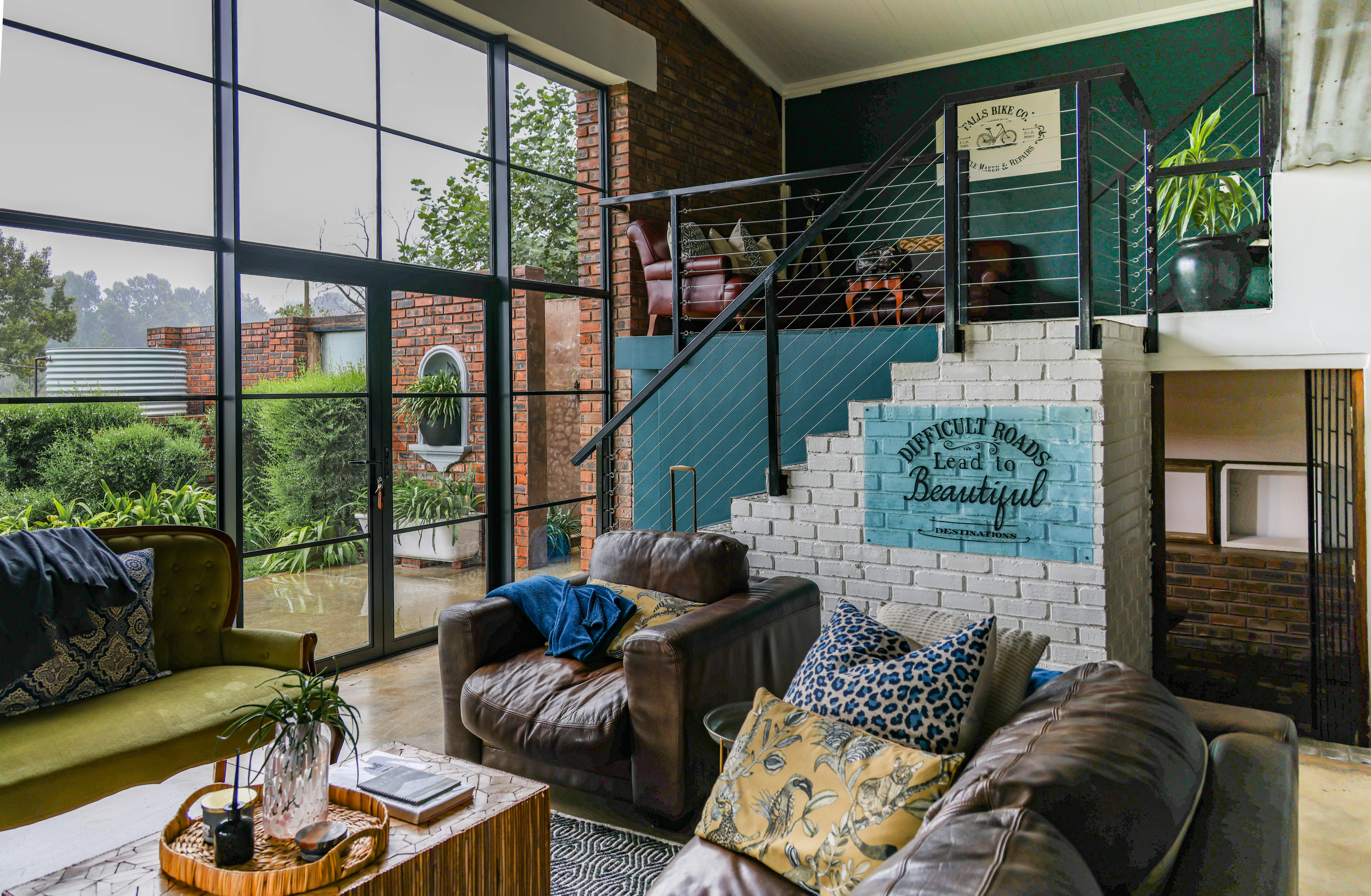
We will help you determine a renovation budget based on the value of your home and other homes in your area. We will then create three different plans for your home renovation based on your budget, upgrade options and their ROI. We will analyze
things like curb appeal and the most cost effective ways to improve your home.
Compare Costs, ROI, and more from all 50 States for more than 150+ Home Renovation projects for free!
Task
Est. Cost Range
Avg. Cost
ROI%
Value Added
Net Value
Planning, Permits, & Budget
Planning & Budgeting
Painting Home Interior Spaces
🡥
Painting your home interior spaces involves painting the rooms in your house (garage, basement, and attic are optional).
The smartest approach that attains the best finish involves painting the ceilings first, then the trim and doors, and last the walls.
A rough-in electrical inspection is necessary by law and you need a licensed professional to do the job. It is not
a job you can do yourself.
Options
Painting your home interior spaces involves painting the rooms in your house (garage, basement, and attic are optional).
The smartest approach that attains the best finish involves painting the ceilings first, then the trim and doors, and last the walls.
2.6
Determining Project Scope
Determining your project scope involves clearly defining your goals, constraints, and timeline. Planning
exactly what you want to accomplish is important before you hire any contractors. Whether its replacing your siding
or simply refacing your kitchen cabinets, doing the proper planning will help you save time, money, and confusion later on.
Organizing Tasks by Trade
You will want to break down your task list by trade so you can properly assign each task to the right contractor.
Research & Tools
You can do research by reading popular home improvement websites such as HGTV or This Old House and
using home renovation tools on the web, many of which are free.
Setting Your Budget
When setting a budget use the 30% rule and keep your budget within 30 percent of your
current home's value. For example if your current home's value is $300k, then
your budget should not be more than $90k. You should also consider the neighborhood
ceiling cap which is the highest value's of the most recent home's sold on your block. This
ensures that you get back a good percent of your investment upon resale.
Contractors, Material Grades, & ROI
You may also want to consider the quality of expertise you choose in your contractors, the grade of materials you use, and the ROI
of any home improvement task. Our website for example lists the ROI on over 300 home renovation tasks!
Percent of Total Budget Per Room
Kitchen - 25%
Bathroom - 10%
2nd Bath - 5%
Master Bedroom - 8%
Bedrooms (per room) - 5%
Living Room - 10%
HVAC, Plumbing, & Electrical - 15%
Windows & Shudders - 7%
Siding, Roofing & Gutters - 15%
Securing Proper Permits
Building Permit (residential renovation)
A building permit is required if you are doing any structural alternations to your home. For example
new roofing, new decks, and moving any windows. You may want to check
with your local laws before applying for a building permit.
Generally Requires A Permit
New Siding
New Roofing
Adding or Moving Windows
Removing Load Bearing Walls
New HVAC or Electric Panels
Generally Does Not Require A Permit
Laying New Carpet
Adding New Flooring
Painting Walls
Adding New Front Door
Adding Insulation & Drywall
Building Permit (addition)
A building permit is required if you are doing any structural alternations or additions to your home. For example
room additions, new roofing, new decks, and moving any windows will require this permit. You may want to check
with the local laws of your town before applying for a permit.
Generally Requires A Permit
Additions
New Roofing
Decks
Removing Load Bearing Walls
New HVAC or Electric Panels
Generally Does Not Require A Permit
Laying New Carpet
Adding New Flooring
Painting Walls
Adding New Front Door
Adding Insulation & Drywall
Electrical Permit
Electrical permits are required for all new wiring, new or moved outlets and any
upgrades to your breaker box. You do not need an electrical permit for replacing light fixtures or switches.
You may want to check with the laws in your area before
applying for this permit.
Requires A Permit
Upgrades To Main Panel
Any New Wiring
Adding Or Moving Light Fixtures
New Circuits
Does Not Require A Permit
Replacing Light Fixtures
Repairing or Replacing Outlets
Replacing Appliances
Low Voltage Landscape Lighting
Plumbing Permit
Plumbing permits are required for adding, moving, or removing any pipes, sinks, toilets, or showers. You
will not need a permit for simply replacing or repairing a pipe or toilet. You may want to review your local laws on obtaining a plumbing permit before
you apply.
Requires Plumbing Permit
Adding Any New Pipes
Adding New Sinks, Toilets, & Showers
Moving Sinks, Toilets, & Showers
Adding New Hot Water Heater
Does Not Require A Permit
Replacing Toilets, Sinks, Or Showers
Replacing Vanities
Replacing Faucets Or shower Heads
Repairing Shower Or Toilet
Mechanical Permit Or HVAC Permit
HVAC permits are needed for adding, moving, or replacing your furnace, boiler, central ac, or ductwork. You do not need
a permit for simple maintenance and repairs such as changing your filters or replacing your blower fan. You may want to check your local laws before
applying for an HVAC permit.
Requires HVAC Permit
Adding New Furnace
Relocating Your Central AC
Replacing Your Boiler
Adding A Heat Pump
Does Not Require A Permit
Replacing Or Repairing Ductwork
Replacing Your Thermostat
Replacing Your Furnace Blower Motor
Replacing Filters
Zoning Variance Permit (Area & Use)
A variance permit is necessary under unique circumstances to get around strict zoning requirements. Zoning requirements are
added to general areas and do not always account for each unique property.
They are split into two main categories, the properties area and its use. The area involves the properties unique shape, size, and slope.
For example the area of a property may have a steep slope or be squeezed into a corner lot. An example for use is
converting a residential property into a business.
When To Apply For Zoning Permit
Unique Issue Due To Steep Slopes
Unique Issue With Property Lines
Not Enough Room To Build An Addition
Exceeding Height Restrictions On Addition
Converting Your Home Into A Business & Needing More Parking
Special Exception Permit
A special exception permit is granted only when certain zoning requirements are met. For example to
open up a restaurant in a residential area you may have to show that the new traffic or noise levels
will not cause a problem for the local residents. You will be required to attend hearing to determine if
you adequately meet these established requirements.
Common Uses That Require A Special Exception Permit
New Restaurant In Residential Area
Day Care Centers Close To Residential Areas
New Churches Close To Residential Area
Testing & Inspections
Testing
Testing For Asbestos
Houses built before 1978 require asbestos testing before you can replace drywall or
perform any minor construction work. Sample materials are taken from drywall, ceilings, and pipe insulation
and sent to a lab for testing. Although there are DIY kits you can buy to peforom the tests yourself, it is
highly recommended to hire a professional.
Testing For Lead-Based Paint
Testing for lead-based paint can be done in three different ways. The first involves sending chips of paint to a
lab for testing. The second uses an XRF (X-Ray Fluorescence) scanner that scans through multiple layers of
paint providing an instant result. The third way is using DIY swabs that provide an immediate result. It is
highly recommended especially for home renovation and real estate matters that you use a professional.
Mold & Moisture Testing
Testing for mold and moisture is important before doing any home renovation. Putting new walls
over mold and damp places is not smart. It is highly recommended to primarily test for
moisture over mold when testing. A moisture meter can be used to detect wet places and any mold inside your walls,
ceilings, and flooring. You may want to identify the water source causing the moisture and/or mold and make the necessay repairs.
If the moisture and/or mold covers a large area, we recommend you hire a professional.
Soil Bearing Capacity Testing
Soil bearing testing is done to test the maximum capacity or pressure the ground can handle. Home
renovations that involve new additions that extend out and over the property may require this testing.
There are five types of soil bearing tests you can perform:
Five Types Of Soil Bearing Tests
Standard Penetration Test (SPT): The test is conducted by drilling a sampler into the ground by dropping a 140lb
hammer from 30 inches high on to the sampler. The number of times the hammer needs to be dropped to drive the sampler 18 inches into the ground
is recorded.
Plate Load Test (PLT): A steel circular or square loading plate is added to the testing area. A hydraulic jack
anchored usually by a large truck presses the plate into the ground. The pressure added to the plate
is measured by a load cell or proving ring. Dial gauges are used to record the settlement of the soil.
Cone Penetration Test (PLT): A hydraulic rig attached to a large truck drives a steel probe or rod through
the ground up to 25 meters deep. Three measurements of Tip Resistance, Sleeve Friction, and Pore Water Pressure are taken as this occurs.
Pressure Meter Test: Involves a cylindrical probe inside an already drilled hole. The probe then expands inside
the hole pushing pressure against the sidewalls of the hole. It then takes three measurements including the Pressuremeter Modulus, Limit
Pressure, and At-Rest Earth Pressure.
Vane Shear Test: A four bladed vane is drilled into the earth and spun until the earth is broken up. It then
spins up to 25 more times to remould the earth. Torque is then applied again to measure the strength of the soil. A measurement
is then taken to determine the difference of the soil from when it was first drilled to after in its remoulded form.
While you can do a preliminary assessment of your soil, you
will need a professional to do an official evaluation.
Radon Testing
If you are doing moderate to major renovations, finishing your basement, or doing any work near the foundation of your home, you should have a radon test
done. It is smart to have the test done once in the beginning of your project and once at the end. You should also have a test done
if you are either selling or buying a new one. It is also recommended by the EPA and the surgeon general that you test your home
every 2 - 5 years.
3.8
Radon poisoning is the leading cause of cancer in non-smokers. Performing a test
is the only way to detect radon, an invisible, odorles,s deadly gas.
Two Types Of Radon Tests
Short Term Test: Radon levels in your home are tested for 2 to up to 90 days.
Long Term Test: Radon levels are tested for more than 90 days giving a more accurate result.
DIY Radon Testing
You can DIY and perform the radon test with kits you can find in any Home Depot or Lowes. They take from 2 - 7 days
and you will have to send the results by mail to be tested.
*As with any testing that involves your safety we recommend that
you hire a certified professional to perform a radon test.
Structural & Load Bearing Testing
Structural and load-bearing testing is important before you begin your home renovation. Examining the original blueprints of
the home will help you understand the structure and help you identify the support walls holding up your upper levels. Before removing
any load-bearing walls you will have to build temporary support walls. You want
to do this properly and may want to use a licensed structural engineer.
3.1
Failing to properly identiify load-bearing walls can lead to both costly and dangeros mistakes.
Assessment
Reviewing Origianal Documents: Identify the structure and load paths of your home from the original
blueprints and layout diagrams.
Inspection: A structural engineer will look through your home from the basement to attic looking
at all the beams and braces and their load paths.
Non-Destructive and Material Testing: When the walkthrough the engineer will follow up with a series of tests.
*You will need a licensed structural engineer before starting the demolition of your home.
Inspections
Final Inspection From Local Building Inspector
This is the last inspection from the building inspector that when passed will give you your
certificate of completion, occupancy, and close all your permits. They will check over
all your structural modifications, plumbing, electrical and HVAC work done. They
will also check your smoke detectors and railings to make sure everything is up to code.
3.3
What They Check
Structural Modifications
Plumbing, Electrical, & HVAC Work Done
Fire-alarms & Railings Are Up To Code
*This inspection is different and comes before your final walkthrough and punchlist with
your contractor.
Final Inspection & Walkthrough With Contractor
This is your final walkthrough with your contractor to create your punchlist. Your punchlist
should list any problems you find, poorly done work, or work they may have missed. Any issues you find with
your trim, other cosmetics, drywall, plumbing, electric, or HVAC should be listed down. This is your final
chance to set the record straight with your contractor and make sure the work was all done correctly. The contractor
will then arrange with you a plan to complete and fix all the items on your punchlist.
3.5
What A Final Walkthrough & Punchlist Covers
Checking that all work was completed and done correctly
Punchlist is made for any problems found during the final walkthrough
Plan & timeline is made to fix or complete the items on your punchlist
*This inspection is last and comes after you final inspection from your local or private
building inspector.
Foundation Inspection
Before starting any moderate to major renovation you will want to have a footing or foundational
inspection. If you are going to be adding an additional room on top of the first floor, the walls
need to be strong enough to support it. The inspection will determine if the addition can be supported
by the first floor and what additional support may be needed (new walls).
3.5
What A Foundation Inspections Covers
Level Floors: The inspection uses a laser level to determine if the floors are level enough.
Bowed Walls & Cracks: It looks for bowed basement walls and cracks in
the stairs that show structural wear.
Structural Gaps: It looks for gaps between the structure and the foundation that can mean serious structural damage.
Sticking Doors or Windows: Windows and doors that stick and are hard to open and shut.
Water Drainage: Water building up around the foundation that can cause severe damage.
*Passing a foundation inspection is required to clear any permits and qualify you for your final inspection.
Rough-in Framing Inspection (Pre-drywall)
A rough framing inspection (also pre-drywall) assesses the basic structure of the house (walls, floors, & roof) to ensure it complies with all local
building codes. It evaluates all rough-in electrical, mechanical, plumbing, and HVAC work. All windows and doors should be installed and the structure should
be completely sealed. The inspection occurs before any drywall or insulation is added.
3.2
What A Rough Frame Inspection Covers
Framing: There should be proper support and spacing for all beams and studs.
Headers: All headers should be installed properly above all windows and doors.
Roofing: All trusses and roof decks should be properly installed. All sheathing and coverings should be in place. The house should be weather proof.
Fire Safety: The house should comply with all local safety and fire codes. All smoke alarms and carbon monoxide detectors shold be properly wired and in place.
Electrical, Plumbing, Mechanical, & HVAC: All permits and inspections should be passed for all rough-in trade work.
*Passing a rough framing inspection is required to clear any permits and qualify you for your final inspection.
Rough-in HVAC Inpsection
A rough HVAC inspection ensures that your heating and air conditioning system including all ductwork, gaslines, and refrigerant lines are working
properly and fully compliant with city building codes. This occurs before any drywall is added.
3.1
What A Rough HVAC Inspection Covers
Ductwork: All ductwork should be installed, routed with the proper support, and sealed correctly with the proper tape.
Gas Lines: Gas lines must past a pressure test, be routed correctly, and have all valves working properly.
Insulation: Insulation must provide the proper safety protection and clearences for the system and pipes.
Drainage: The drain lines must be working properly to prevent any leaking.
Ventillation: All vents must be installed and operating correctly to ensure the proper airflow.
*Passing a rough HVAC inspection is required to clear any permits and qualify you for your final inspection.
Rough-in Plumbing Inspection
🡥
The rough plumbing inspection takes place after your pipes are installed and before the
drywall and insulation are added. It ensures that your plumbing including your water line,
pipes, waste and drains are working properly and meet all local city codes.
3.1
What A Plumbing Inspection Covers
Pipes: The pipes to your showers, toilets, and sinks are checked for the correct sizes. The slope to your pipes are also checked.
This prevents clogging and ensures the water drains properly.
Water Pressure Test: Your water is run for up to fifteen minutes to test the pressure level and ensure there are no leaks.
Vents: The vents to your drain lines should properly exhaust gases from the sewer.
Safety: Checks pressure and temperature valves to ensure safety.
*Passing a rough plumbing inspection is required to clear any permits and qualify you for your final inspection.
Rough-in Electrical Inspection
🡥
A rough-in electrical inspection ensures that all your wiring is correctly
installed. It checks the electricl work against all local fire and safety codes and the National Electric Code (NEC). This inspection
happens after your rough-in plumbing and before your framing inspections. It must be passsed before any insulation and drywall can be added.
3.1
What The Rough-in Electrical Inspection Covers
Box Placement: Outlet boxes should be 12 - 15" from the floor and wiring for the switches 48".
Wire Type & Gauge: Identifies wire types and checks that each wire's guage matches the circuit amperage.
Cable Routing: Wires passing through studs should be set back 1-1/4". Wires
should be stapled within 12" of any boxes and then every 4.5'. Wires should be
neat with no sharp bending and with the proper clearance from other systems.
Proper Grounding: Ensures the use of proper grounding rods, bonding of any pipes and seperation from sub-panels.
People Often Ask
Is a rough-in electrical inspection mandatory?
A rough-in electrical inspection is required by law. You cannot begin
adding your insulation and drywall until you pass this inspection along with your other
trade and frame rough-in inspections.
When do I schedule a rough-in electrical inspection?
A rough-in electrical inspection comes after your plumbing rough-in inspection and before
your framing rough-in inspections. It and your other trade and framing inspections must be passed before
your insulation and drywall can be added.
To what extent does the wiring to the circuit breakers need to be completed for a rough-in electrical inspection?
The wiring does not need to be connected yet to the circuit breakers,
but the proper grounding and bonding of any pipes, gas, and other lines should be completed.
There should be the proper seperation from sub-panels.
Do devices (outlets & switches) need to be completely wired for an electrical rough-in?
No, outlets, switches, and fixtures do not need to be fully wired for the rough-in electrical
inspection. They are capped and left properly placed in their boxes. The adding of insulation and drywall
will cause no problem to adding in the outlets and switches.
DIY or Hire A Professional?
A rough-in electrical inspection is necessary by law and you need a licensed professional to do the job. It is not
a job you can do yourself.
Post-Drywall Inspection
🡥
The post-drywall inspection ensures that the hanging of drywall, taping and screwing were done
correctly. It checks to make sure there is no bowing in the walls, nails showing, or poor taping work. This
is a critical phase as once you start painting it will be very difficult to fix any mistakes.
3.5
What A Post-Drywall Inspection Covers
Proper Hanging Of Drywall: Checks to ensure all drywall is properly installed with proper drywall screws. Screws
should be added every 12" to 16" and 1/32 of an inch deep.
Taping & Sanding: Checks to ensure all drywall is properly taped, spackled and sanded with a nice smooth finish.
Structural: Ensures that there are no cracks or bows in the drywall.
People Often Ask
Is a post-drywall inspection worth it?
While not required by law a post-drywall inspection is a one time cost that ensures
that your dry-wall was installed correctly. It can save you money in the long run by identifying
any mistakes made by your contractor that they are then liable to fix.
When do I schedule a post-drywall inspection?
A post-drywall inspection comes after your contractors have completed hanging
all the drywall. It comes after your insulation (optional) and rough-in inspections and before your final inspection.
Doesn't A Final Inspection Cover Drywall?
While a final inspection will look at all the work completed in your renovation, a post-drywall
inspection points out any mistakes that can easily be corrected before other cosmetic work is done on top.
Is A post-drywall Inspection Mandatory?
No, while rough-in and final inspections are usually mandatory, a post-drywall inspection is not.
DIY or Hire A Professional?
A post-drywall inspection is not required by law and you can save money doing it yourself. But we still
recommend a professional to inspect your drywall. Any mistakes your inspector finds are then liable to your
contractor to fix.
Insulation Inspection
🡥
An insulation inspection checks that all insulation was properly installed. It checks that the right thickness
and R-Value were used for the best efficiency. It looks for any un-sealed areas around windows, corners and doors that should be sealed.
This ensures compliance with local building codes and energy efficiency requirements.
3.1
What Does An Insulation Inspection Cover?
Roof Deck & Attic Ceiling: Checks that the attic ceiling is properly insulated as well as the roof deck. Looks
for open spaces or air leaks that may need to be filled in.
Flooring: Checks for the proper insulaton and R-Value for floors above crawlspaces, garages, and basements.
Basement & Crawlspaces: Ensures the insulation is installed correctly in basements (rimjoints & foundation walls), garages, and crawlspaces.
Checks that the proper R-value was used.
Additional Sealing For Air Leaks: Caulk can be used for small gaps above doors and windows. Weather stripping can be used to
seal exterior doors. Foam boards can be used around chimneys and hot exhaust vents.
Local Energy Codes & Efficiency: Checks that the insulation is compliant with local building codes and energy requirements.
People Often Ask
What does R-value of insulation mean?
The R-value is simply how well the insulation resists the transfer of heat and keeps it inside the home in the winter
while blocking the heat from the sun in the summer.
What types of insulation are there?
Fiberglass Insulation:This is the most economical choice but can be tougher to work with. It
is most popular and what is used on most walls, floors, and ceilings inside the home.
Spray Foam: The foam is made of polyurethane or polyisocyanurate and expands to
fill the space it is sprayed in. A great solution for filling in difficult areas and rim joints.
Blown-In Insulation: Usually made from fiberlgass it is blown into tough places
that regular insulaton cannot be used for.
Rigid Foam Boards: Foam boards are made from polyurethane or polyisocyanurate.
They are a great choice for basements and crawlspaces.
Is the investment in grade 1 insulation worth it?
Grade 1 insulation is done perfectly, filling all gaps without
compressing the insulation. It properly cuts out all outlets, vents, openings and leaves no
air leaks. While it requires an additional up front cost for the highest grade, it will save you
money on energy costs for the lifespan of insulation (10 - 15 years).
Is An Insulation Inspection Mandatory?
Yes, if you are doing extensive renovations you will need the inspection to clear your building permit.
DIY or Hire A Professional?
Doing the insulation work yourself can save you money. But if you are not educated on the right types of insulation to use for each space,
the correct R-Types, local codes and energy requirements then you may want to hire a professional.
Demolition & Removal
Interior Demolition
Kitchen Demolition
Determining your project scope involves clearly defining your goals, constraints, and timeline. Planning
exactly what you want to accomplish is important before you hire any contractors. Whether its replacing your siding
or simply refacing your kitchen cabinets, doing the proper planning will help you save time, money, and confusion later on.
Organizing Tasks by Trade
You will want to break down your task list by trade so you can properly assign each task to the right contractor.
Research & Tools
You can do research by reading popular home improvement websites such as HGTV or This Old House and
using home renovation tools on the web, many of which are free.
Complete Home Renovation
Minor home renovations focus on the cosmetic side of your home and leave the structure or footprint alone. Some examples include painting the walls and trim,
refacing kitchen cabinets and replacing hardware and fixtures.
3.8
Moderate home renovations involves updating the rooms in your home with changing the structure. Some examples include replacing bathroom
vanities, mirros, toilets, and kitchen cabinets. Other examples include resurfacing hardwood floors or adding new tile floors.
3.2
Major home renovations focus on the cosmetic and functional side of your home and leave the structure or footprint alone. Some examples include painting your home's walls,
resurfacing cabinets and hardwood floors, or replacing a bathtub.
2.9
Painting your home interior spaces involves painting the rooms in your house (garage, basement, and attic are optional).
The smartest approach that attains the best finish involves painting the ceilings first, then the trim and doors, and last the walls.
3.2
Removing furniture, window treatments, outlet covers, switch plates, and thermostat, removing all doors from their hinges and laying them down where they can be painted.
spackling and sanding any cracks in the ceiling and walls, taping the rooms edges (floor, ceiling, corners), sanding doors
Painting ceiling, painting trim, painting doors, painting walls
Painting your home interior spaces involves painting the rooms in your house (garage, basement, and attic are optional).
The smartest approach that attains the best finish involves painting the ceilings first, then the trim and doors, and last the walls.
2.6
Painting your home interior spaces involves painting the rooms in your house (garage, basement, and attic are optional).
The smartest approach that attains the best finish involves painting the ceilings first, then the trim and doors, and last the walls.
2.6
Painting your home interior spaces involves painting the rooms in your house (garage, basement, and attic are optional).
The smartest approach that attains the best finish involves painting the ceilings first, then the trim and doors, and last the walls.
2.6
Painting your home interior spaces involves painting the rooms in your house (garage, basement, and attic are optional).
The smartest approach that attains the best finish involves painting the ceilings first, then the trim and doors, and last the walls.
2.6
Painting your home interior spaces involves painting the rooms in your house (garage, basement, and attic are optional).
The smartest approach that attains the best finish involves painting the ceilings first, then the trim and doors, and last the walls.
2.6
Painting your home interior spaces involves painting the rooms in your house (garage, basement, and attic are optional).
The smartest approach that attains the best finish involves painting the ceilings first, then the trim and doors, and last the walls.
2.6
Painting your home interior spaces involves painting the rooms in your house (garage, basement, and attic are optional).
The smartest approach that attains the best finish involves painting the ceilings first, then the trim and doors, and last the walls.
2.6
Painting your home interior spaces involves painting the rooms in your house (garage, basement, and attic are optional).
The smartest approach that attains the best finish involves painting the ceilings first, then the trim and doors, and last the walls.
2.6
Painting your home interior spaces involves painting the rooms in your house (garage, basement, and attic are optional).
The smartest approach that attains the best finish involves painting the ceilings first, then the trim and doors, and last the walls.
2.6
Painting your home interior spaces involves painting the rooms in your house (garage, basement, and attic are optional).
The smartest approach that attains the best finish involves painting the ceilings first, then the trim and doors, and last the walls.
2.6
Painting your home interior spaces involves painting the rooms in your house (garage, basement, and attic are optional).
The smartest approach that attains the best finish involves painting the ceilings first, then the trim and doors, and last the walls.
2.6
Painting your home interior spaces involves painting the rooms in your house (garage, basement, and attic are optional).
The smartest approach that attains the best finish involves painting the ceilings first, then the trim and doors, and last the walls.
2.6
Painting your home interior spaces involves painting the rooms in your house (garage, basement, and attic are optional).
The smartest approach that attains the best finish involves painting the ceilings first, then the trim and doors, and last the walls.
2.6
Painting your home interior spaces involves painting the rooms in your house (garage, basement, and attic are optional).
The smartest approach that attains the best finish involves painting the ceilings first, then the trim and doors, and last the walls.
2.6
Flooring
Refinishing hardwood floors involves sanding the floors down, adding new stain to the floor and
sealing with polyurethane. This leaves the floors looking almost new.
Hardwood floors greatly enhance the look and value your home. They are a great investment and increase your homes resale value. They can
be sanded and refinished many times and often last for more than 50 years. Popular choices include oak,
maple, and acaia.
Engineered hardwood floors have a thin veneer wood layer on top with fiberboard or plywood below. They are
cheaper than solid hardwood and perform well when installed below ground level or in humid places.
They are better than solid hardwood for adding a floor to your basement or on top of cement. Unlike solid hardwood floors they cannot be
sanded and refinished when their top veneer layer is only 1mm thick.
Laminate flooring is a great cheap alternative to solid hardwood flooring. It is
great if you have kids and pets being scratch resistant. It is great for the living room and bedrooms. It is also very easy to install snapping right in place.
Tile ceramic flooring is very cheap and great for low traffic areas or being used on walls. If you need flooring
for a high traffic area you are better off with porcelain.
Porcelain is very durable and best for kitchens or bathrooms. It is highly resistant to water.
Shampooing the carpets is an affordable way to keep your rugs looking great and free from stains, odors, and bacteria. It will also prolong the life of your carpets
saving you money.
Fiberglass doors are second to only steel doors in strength made with dense cores to keep your home secure. They do not crack, rot, or rust making them great for
highly humid or damp climates. They do not conduct heat or cold making them highly efficient.
Kitchen & Bath
Fiberglass doors are second to only steel doors in strength made with dense cores to keep your home secure. They do not crack, rot, or rust making them great for
highly humid or damp climates. They do not conduct heat or cold making them highly efficient.
Fiberglass doors are second to only steel doors in strength made with dense cores to keep your home secure. They do not crack, rot, or rust making them great for
highly humid or damp climates. They do not conduct heat or cold making them highly efficient.
Fiberglass doors are second to only steel doors in strength made with dense cores to keep your home secure. They do not crack, rot, or rust making them great for
highly humid or damp climates. They do not conduct heat or cold making them highly efficient.
Fiberglass doors are second to only steel doors in strength made with dense cores to keep your home secure. They do not crack, rot, or rust making them great for
highly humid or damp climates. They do not conduct heat or cold making them highly efficient.
Fiberglass doors are second to only steel doors in strength made with dense cores to keep your home secure. They do not crack, rot, or rust making them great for
highly humid or damp climates. They do not conduct heat or cold making them highly efficient.
Fiberglass doors are second to only steel doors in strength made with dense cores to keep your home secure. They do not crack, rot, or rust making them great for
highly humid or damp climates. They do not conduct heat or cold making them highly efficient.
Fiberglass doors are second to only steel doors in strength made with dense cores to keep your home secure. They do not crack, rot, or rust making them great for
highly humid or damp climates. They do not conduct heat or cold making them highly efficient.
Fiberglass doors are second to only steel doors in strength made with dense cores to keep your home secure. They do not crack, rot, or rust making them great for
highly humid or damp climates. They do not conduct heat or cold making them highly efficient.
Fiberglass doors are second to only steel doors in strength made with dense cores to keep your home secure. They do not crack, rot, or rust making them great for
highly humid or damp climates. They do not conduct heat or cold making them highly efficient.
Fiberglass doors are second to only steel doors in strength made with dense cores to keep your home secure. They do not crack, rot, or rust making them great for
highly humid or damp climates. They do not conduct heat or cold making them highly efficient.
Fiberglass doors are second to only steel doors in strength made with dense cores to keep your home secure. They do not crack, rot, or rust making them great for
highly humid or damp climates. They do not conduct heat or cold making them highly efficient.
Fiberglass doors are second to only steel doors in strength made with dense cores to keep your home secure. They do not crack, rot, or rust making them great for
highly humid or damp climates. They do not conduct heat or cold making them highly efficient.
Fiberglass doors are second to only steel doors in strength made with dense cores to keep your home secure. They do not crack, rot, or rust making them great for
highly humid or damp climates. They do not conduct heat or cold making them highly efficient.
Fiberglass doors are second to only steel doors in strength made with dense cores to keep your home secure. They do not crack, rot, or rust making them great for
highly humid or damp climates. They do not conduct heat or cold making them highly efficient.
Fiberglass doors are second to only steel doors in strength made with dense cores to keep your home secure. They do not crack, rot, or rust making them great for
highly humid or damp climates. They do not conduct heat or cold making them highly efficient.
Fiberglass doors are second to only steel doors in strength made with dense cores to keep your home secure. They do not crack, rot, or rust making them great for
highly humid or damp climates. They do not conduct heat or cold making them highly efficient.
Fiberglass doors are second to only steel doors in strength made with dense cores to keep your home secure. They do not crack, rot, or rust making them great for
highly humid or damp climates. They do not conduct heat or cold making them highly efficient.
Fiberglass doors are second to only steel doors in strength made with dense cores to keep your home secure. They do not crack, rot, or rust making them great for
highly humid or damp climates. They do not conduct heat or cold making them highly efficient.
Fiberglass doors are second to only steel doors in strength made with dense cores to keep your home secure. They do not crack, rot, or rust making them great for
highly humid or damp climates. They do not conduct heat or cold making them highly efficient.
Fiberglass doors are second to only steel doors in strength made with dense cores to keep your home secure. They do not crack, rot, or rust making them great for
highly humid or damp climates. They do not conduct heat or cold making them highly efficient.
Fiberglass doors are second to only steel doors in strength made with dense cores to keep your home secure. They do not crack, rot, or rust making them great for
highly humid or damp climates. They do not conduct heat or cold making them highly efficient.
Fiberglass doors are second to only steel doors in strength made with dense cores to keep your home secure. They do not crack, rot, or rust making them great for
highly humid or damp climates. They do not conduct heat or cold making them highly efficient.
Fiberglass doors are second to only steel doors in strength made with dense cores to keep your home secure. They do not crack, rot, or rust making them great for
highly humid or damp climates. They do not conduct heat or cold making them highly efficient.
Fiberglass doors are second to only steel doors in strength made with dense cores to keep your home secure. They do not crack, rot, or rust making them great for
highly humid or damp climates. They do not conduct heat or cold making them highly efficient.
Fiberglass doors are second to only steel doors in strength made with dense cores to keep your home secure. They do not crack, rot, or rust making them great for
highly humid or damp climates. They do not conduct heat or cold making them highly efficient.
Fiberglass doors are second to only steel doors in strength made with dense cores to keep your home secure. They do not crack, rot, or rust making them great for
highly humid or damp climates. They do not conduct heat or cold making them highly efficient.
Fiberglass doors are second to only steel doors in strength made with dense cores to keep your home secure. They do not crack, rot, or rust making them great for
highly humid or damp climates. They do not conduct heat or cold making them highly efficient.
Fiberglass doors are second to only steel doors in strength made with dense cores to keep your home secure. They do not crack, rot, or rust making them great for
highly humid or damp climates. They do not conduct heat or cold making them highly efficient.
Fiberglass doors are second to only steel doors in strength made with dense cores to keep your home secure. They do not crack, rot, or rust making them great for
highly humid or damp climates. They do not conduct heat or cold making them highly efficient.
Fiberglass doors are second to only steel doors in strength made with dense cores to keep your home secure. They do not crack, rot, or rust making them great for
highly humid or damp climates. They do not conduct heat or cold making them highly efficient.
Fiberglass doors are second to only steel doors in strength made with dense cores to keep your home secure. They do not crack, rot, or rust making them great for
highly humid or damp climates. They do not conduct heat or cold making them highly efficient.
Fiberglass doors are second to only steel doors in strength made with dense cores to keep your home secure. They do not crack, rot, or rust making them great for
highly humid or damp climates. They do not conduct heat or cold making them highly efficient.
Fiberglass doors are second to only steel doors in strength made with dense cores to keep your home secure. They do not crack, rot, or rust making them great for
highly humid or damp climates. They do not conduct heat or cold making them highly efficient.
Fiberglass doors are second to only steel doors in strength made with dense cores to keep your home secure. They do not crack, rot, or rust making them great for
highly humid or damp climates. They do not conduct heat or cold making them highly efficient.
Fiberglass doors are second to only steel doors in strength made with dense cores to keep your home secure. They do not crack, rot, or rust making them great for
highly humid or damp climates. They do not conduct heat or cold making them highly efficient.
Fiberglass doors are second to only steel doors in strength made with dense cores to keep your home secure. They do not crack, rot, or rust making them great for
highly humid or damp climates. They do not conduct heat or cold making them highly efficient.
Family Room
Fiberglass doors are second to only steel doors in strength made with dense cores to keep your home secure. They do not crack, rot, or rust making them great for
highly humid or damp climates. They do not conduct heat or cold making them highly efficient.
Fiberglass doors are second to only steel doors in strength made with dense cores to keep your home secure. They do not crack, rot, or rust making them great for
highly humid or damp climates. They do not conduct heat or cold making them highly efficient.
Fiberglass doors are second to only steel doors in strength made with dense cores to keep your home secure. They do not crack, rot, or rust making them great for
highly humid or damp climates. They do not conduct heat or cold making them highly efficient.
Dining Room
Fiberglass doors are second to only steel doors in strength made with dense cores to keep your home secure. They do not crack, rot, or rust making them great for
highly humid or damp climates. They do not conduct heat or cold making them highly efficient.
Fiberglass doors are second to only steel doors in strength made with dense cores to keep your home secure. They do not crack, rot, or rust making them great for
highly humid or damp climates. They do not conduct heat or cold making them highly efficient.
Fiberglass doors are second to only steel doors in strength made with dense cores to keep your home secure. They do not crack, rot, or rust making them great for
highly humid or damp climates. They do not conduct heat or cold making them highly efficient.
Bedroom
Fiberglass doors are second to only steel doors in strength made with dense cores to keep your home secure. They do not crack, rot, or rust making them great for
highly humid or damp climates. They do not conduct heat or cold making them highly efficient.
Fiberglass doors are second to only steel doors in strength made with dense cores to keep your home secure. They do not crack, rot, or rust making them great for
highly humid or damp climates. They do not conduct heat or cold making them highly efficient.
Fiberglass doors are second to only steel doors in strength made with dense cores to keep your home secure. They do not crack, rot, or rust making them great for
highly humid or damp climates. They do not conduct heat or cold making them highly efficient.
Basement
Fiberglass doors are second to only steel doors in strength made with dense cores to keep your home secure. They do not crack, rot, or rust making them great for
highly humid or damp climates. They do not conduct heat or cold making them highly efficient.
Fiberglass doors are second to only steel doors in strength made with dense cores to keep your home secure. They do not crack, rot, or rust making them great for
highly humid or damp climates. They do not conduct heat or cold making them highly efficient.
Garage
Fiberglass doors are second to only steel doors in strength made with dense cores to keep your home secure. They do not crack, rot, or rust making them great for
highly humid or damp climates. They do not conduct heat or cold making them highly efficient.
Fiberglass doors are second to only steel doors in strength made with dense cores to keep your home secure. They do not crack, rot, or rust making them great for
highly humid or damp climates. They do not conduct heat or cold making them highly efficient.
Fiberglass doors are second to only steel doors in strength made with dense cores to keep your home secure. They do not crack, rot, or rust making them great for
highly humid or damp climates. They do not conduct heat or cold making them highly efficient.
Lighting & Ceiling Fans
Fiberglass doors are second to only steel doors in strength made with dense cores to keep your home secure. They do not crack, rot, or rust making them great for
highly humid or damp climates. They do not conduct heat or cold making them highly efficient.
Fiberglass doors are second to only steel doors in strength made with dense cores to keep your home secure. They do not crack, rot, or rust making them great for
highly humid or damp climates. They do not conduct heat or cold making them highly efficient.
Major Appliances
Fiberglass doors are second to only steel doors in strength made with dense cores to keep your home secure. They do not crack, rot, or rust making them great for
highly humid or damp climates. They do not conduct heat or cold making them highly efficient.
Fiberglass doors are second to only steel doors in strength made with dense cores to keep your home secure. They do not crack, rot, or rust making them great for
highly humid or damp climates. They do not conduct heat or cold making them highly efficient.
Fiberglass doors are second to only steel doors in strength made with dense cores to keep your home secure. They do not crack, rot, or rust making them great for
highly humid or damp climates. They do not conduct heat or cold making them highly efficient.
Fiberglass doors are second to only steel doors in strength made with dense cores to keep your home secure. They do not crack, rot, or rust making them great for
highly humid or damp climates. They do not conduct heat or cold making them highly efficient.
Fiberglass doors are second to only steel doors in strength made with dense cores to keep your home secure. They do not crack, rot, or rust making them great for
highly humid or damp climates. They do not conduct heat or cold making them highly efficient.
Deep Cleaning
Fiberglass doors are second to only steel doors in strength made with dense cores to keep your home secure. They do not crack, rot, or rust making them great for
highly humid or damp climates. They do not conduct heat or cold making them highly efficient.
Home Exterior Renovation
Curb Appeal
Fiberglass doors are second to only steel doors in strength made with dense cores to keep your home secure. They do not crack, rot, or rust making them great for
highly humid or damp climates. They do not conduct heat or cold making them highly efficient.
Fiberglass doors are second to only steel doors in strength made with dense cores to keep your home secure. They do not crack, rot, or rust making them great for
highly humid or damp climates. They do not conduct heat or cold making them highly efficient.
Fiberglass doors are second to only steel doors in strength made with dense cores to keep your home secure. They do not crack, rot, or rust making them great for
highly humid or damp climates. They do not conduct heat or cold making them highly efficient.
Fiberglass doors are second to only steel doors in strength made with dense cores to keep your home secure. They do not crack, rot, or rust making them great for
highly humid or damp climates. They do not conduct heat or cold making them highly efficient.
Fiberglass doors are second to only steel doors in strength made with dense cores to keep your home secure. They do not crack, rot, or rust making them great for
highly humid or damp climates. They do not conduct heat or cold making them highly efficient.
Fiberglass doors are second to only steel doors in strength made with dense cores to keep your home secure. They do not crack, rot, or rust making them great for
highly humid or damp climates. They do not conduct heat or cold making them highly efficient.
Fiberglass doors are second to only steel doors in strength made with dense cores to keep your home secure. They do not crack, rot, or rust making them great for
highly humid or damp climates. They do not conduct heat or cold making them highly efficient.
Fiberglass doors are second to only steel doors in strength made with dense cores to keep your home secure. They do not crack, rot, or rust making them great for
highly humid or damp climates. They do not conduct heat or cold making them highly efficient.
Fiberglass doors are second to only steel doors in strength made with dense cores to keep your home secure. They do not crack, rot, or rust making them great for
highly humid or damp climates. They do not conduct heat or cold making them highly efficient.
Fiberglass doors are second to only steel doors in strength made with dense cores to keep your home secure. They do not crack, rot, or rust making them great for
highly humid or damp climates. They do not conduct heat or cold making them highly efficient.
Fiberglass doors are second to only steel doors in strength made with dense cores to keep your home secure. They do not crack, rot, or rust making them great for
highly humid or damp climates. They do not conduct heat or cold making them highly efficient.
Fiberglass doors are second to only steel doors in strength made with dense cores to keep your home secure. They do not crack, rot, or rust making them great for
highly humid or damp climates. They do not conduct heat or cold making them highly efficient.
Fiberglass doors are second to only steel doors in strength made with dense cores to keep your home secure. They do not crack, rot, or rust making them great for
highly humid or damp climates. They do not conduct heat or cold making them highly efficient.
Fiberglass doors are second to only steel doors in strength made with dense cores to keep your home secure. They do not crack, rot, or rust making them great for
highly humid or damp climates. They do not conduct heat or cold making them highly efficient.
Fiberglass doors are second to only steel doors in strength made with dense cores to keep your home secure. They do not crack, rot, or rust making them great for
highly humid or damp climates. They do not conduct heat or cold making them highly efficient.
Fiberglass doors are second to only steel doors in strength made with dense cores to keep your home secure. They do not crack, rot, or rust making them great for
highly humid or damp climates. They do not conduct heat or cold making them highly efficient.
Doors & Windows
Fiberglass doors are second to only steel doors in strength made with dense cores to keep your home secure. They do not crack, rot, or rust making them great for
highly humid or damp climates. They do not conduct heat or cold making them highly efficient.
Fiberglass doors are second to only steel doors in strength made with dense cores to keep your home secure. They do not crack, rot, or rust making them great for
highly humid or damp climates. They do not conduct heat or cold making them highly efficient.
Fiberglass doors are second to only steel doors in strength made with dense cores to keep your home secure. They do not crack, rot, or rust making them great for
highly humid or damp climates. They do not conduct heat or cold making them highly efficient.
Fiberglass doors are second to only steel doors in strength made with dense cores to keep your home secure. They do not crack, rot, or rust making them great for
highly humid or damp climates. They do not conduct heat or cold making them highly efficient.
Fiberglass doors are second to only steel doors in strength made with dense cores to keep your home secure. They do not crack, rot, or rust making them great for
highly humid or damp climates. They do not conduct heat or cold making them highly efficient.
Fiberglass doors are second to only steel doors in strength made with dense cores to keep your home secure. They do not crack, rot, or rust making them great for
highly humid or damp climates. They do not conduct heat or cold making them highly efficient.
Fiberglass doors are second to only steel doors in strength made with dense cores to keep your home secure. They do not crack, rot, or rust making them great for
highly humid or damp climates. They do not conduct heat or cold making them highly efficient.
Fiberglass doors are second to only steel doors in strength made with dense cores to keep your home secure. They do not crack, rot, or rust making them great for
highly humid or damp climates. They do not conduct heat or cold making them highly efficient.
Fiberglass doors are second to only steel doors in strength made with dense cores to keep your home secure. They do not crack, rot, or rust making them great for
highly humid or damp climates. They do not conduct heat or cold making them highly efficient.
Fiberglass doors are second to only steel doors in strength made with dense cores to keep your home secure. They do not crack, rot, or rust making them great for
highly humid or damp climates. They do not conduct heat or cold making them highly efficient.
Fiberglass doors are second to only steel doors in strength made with dense cores to keep your home secure. They do not crack, rot, or rust making them great for
highly humid or damp climates. They do not conduct heat or cold making them highly efficient.
Fiberglass doors are second to only steel doors in strength made with dense cores to keep your home secure. They do not crack, rot, or rust making them great for
highly humid or damp climates. They do not conduct heat or cold making them highly efficient.
Fiberglass doors are second to only steel doors in strength made with dense cores to keep your home secure. They do not crack, rot, or rust making them great for
highly humid or damp climates. They do not conduct heat or cold making them highly efficient.
Fiberglass doors are second to only steel doors in strength made with dense cores to keep your home secure. They do not crack, rot, or rust making them great for
highly humid or damp climates. They do not conduct heat or cold making them highly efficient.
Fiberglass doors are second to only steel doors in strength made with dense cores to keep your home secure. They do not crack, rot, or rust making them great for
highly humid or damp climates. They do not conduct heat or cold making them highly efficient.
Fiberglass doors are second to only steel doors in strength made with dense cores to keep your home secure. They do not crack, rot, or rust making them great for
highly humid or damp climates. They do not conduct heat or cold making them highly efficient.
Fiberglass doors are second to only steel doors in strength made with dense cores to keep your home secure. They do not crack, rot, or rust making them great for
highly humid or damp climates. They do not conduct heat or cold making them highly efficient.
Fiberglass doors are second to only steel doors in strength made with dense cores to keep your home secure. They do not crack, rot, or rust making them great for
highly humid or damp climates. They do not conduct heat or cold making them highly efficient.
Fiberglass doors are second to only steel doors in strength made with dense cores to keep your home secure. They do not crack, rot, or rust making them great for
highly humid or damp climates. They do not conduct heat or cold making them highly efficient.
Fiberglass doors are second to only steel doors in strength made with dense cores to keep your home secure. They do not crack, rot, or rust making them great for
highly humid or damp climates. They do not conduct heat or cold making them highly efficient.
Fiberglass doors are second to only steel doors in strength made with dense cores to keep your home secure. They do not crack, rot, or rust making them great for
highly humid or damp climates. They do not conduct heat or cold making them highly efficient.
Fiberglass doors are second to only steel doors in strength made with dense cores to keep your home secure. They do not crack, rot, or rust making them great for
highly humid or damp climates. They do not conduct heat or cold making them highly efficient.
Fiberglass doors are second to only steel doors in strength made with dense cores to keep your home secure. They do not crack, rot, or rust making them great for
highly humid or damp climates. They do not conduct heat or cold making them highly efficient.
Fiberglass doors are second to only steel doors in strength made with dense cores to keep your home secure. They do not crack, rot, or rust making them great for
highly humid or damp climates. They do not conduct heat or cold making them highly efficient.
Fiberglass doors are second to only steel doors in strength made with dense cores to keep your home secure. They do not crack, rot, or rust making them great for
highly humid or damp climates. They do not conduct heat or cold making them highly efficient.
Fiberglass doors are second to only steel doors in strength made with dense cores to keep your home secure. They do not crack, rot, or rust making them great for
highly humid or damp climates. They do not conduct heat or cold making them highly efficient.
Fiberglass doors are second to only steel doors in strength made with dense cores to keep your home secure. They do not crack, rot, or rust making them great for
highly humid or damp climates. They do not conduct heat or cold making them highly efficient.
Siding & Roofing
Fiberglass doors are second to only steel doors in strength made with dense cores to keep your home secure. They do not crack, rot, or rust making them great for
highly humid or damp climates. They do not conduct heat or cold making them highly efficient.
Fiberglass doors are second to only steel doors in strength made with dense cores to keep your home secure. They do not crack, rot, or rust making them great for
highly humid or damp climates. They do not conduct heat or cold making them highly efficient.
Fiberglass doors are second to only steel doors in strength made with dense cores to keep your home secure. They do not crack, rot, or rust making them great for
highly humid or damp climates. They do not conduct heat or cold making them highly efficient.
Fiberglass doors are second to only steel doors in strength made with dense cores to keep your home secure. They do not crack, rot, or rust making them great for
highly humid or damp climates. They do not conduct heat or cold making them highly efficient.
Fiberglass doors are second to only steel doors in strength made with dense cores to keep your home secure. They do not crack, rot, or rust making them great for
highly humid or damp climates. They do not conduct heat or cold making them highly efficient.
Fiberglass doors are second to only steel doors in strength made with dense cores to keep your home secure. They do not crack, rot, or rust making them great for
highly humid or damp climates. They do not conduct heat or cold making them highly efficient.
Fiberglass doors are second to only steel doors in strength made with dense cores to keep your home secure. They do not crack, rot, or rust making them great for
highly humid or damp climates. They do not conduct heat or cold making them highly efficient.
Fiberglass doors are second to only steel doors in strength made with dense cores to keep your home secure. They do not crack, rot, or rust making them great for
highly humid or damp climates. They do not conduct heat or cold making them highly efficient.
Fiberglass doors are second to only steel doors in strength made with dense cores to keep your home secure. They do not crack, rot, or rust making them great for
highly humid or damp climates. They do not conduct heat or cold making them highly efficient.
Fiberglass doors are second to only steel doors in strength made with dense cores to keep your home secure. They do not crack, rot, or rust making them great for
highly humid or damp climates. They do not conduct heat or cold making them highly efficient.
Fiberglass doors are second to only steel doors in strength made with dense cores to keep your home secure. They do not crack, rot, or rust making them great for
highly humid or damp climates. They do not conduct heat or cold making them highly efficient.
Fiberglass doors are second to only steel doors in strength made with dense cores to keep your home secure. They do not crack, rot, or rust making them great for
highly humid or damp climates. They do not conduct heat or cold making them highly efficient.
Fiberglass doors are second to only steel doors in strength made with dense cores to keep your home secure. They do not crack, rot, or rust making them great for
highly humid or damp climates. They do not conduct heat or cold making them highly efficient.
Home Systems Renovation
HVAC (Heating, AC, & Ventilation)
Fiberglass doors are second to only steel doors in strength made with dense cores to keep your home secure. They do not crack, rot, or rust making them great for
highly humid or damp climates. They do not conduct heat or cold making them highly efficient.
Fiberglass doors are second to only steel doors in strength made with dense cores to keep your home secure. They do not crack, rot, or rust making them great for
highly humid or damp climates. They do not conduct heat or cold making them highly efficient.
Fiberglass doors are second to only steel doors in strength made with dense cores to keep your home secure. They do not crack, rot, or rust making them great for
highly humid or damp climates. They do not conduct heat or cold making them highly efficient.
Fiberglass doors are second to only steel doors in strength made with dense cores to keep your home secure. They do not crack, rot, or rust making them great for
highly humid or damp climates. They do not conduct heat or cold making them highly efficient.
Fiberglass doors are second to only steel doors in strength made with dense cores to keep your home secure. They do not crack, rot, or rust making them great for
highly humid or damp climates. They do not conduct heat or cold making them highly efficient.
Fiberglass doors are second to only steel doors in strength made with dense cores to keep your home secure. They do not crack, rot, or rust making them great for
highly humid or damp climates. They do not conduct heat or cold making them highly efficient.
Fiberglass doors are second to only steel doors in strength made with dense cores to keep your home secure. They do not crack, rot, or rust making them great for
highly humid or damp climates. They do not conduct heat or cold making them highly efficient.
Fiberglass doors are second to only steel doors in strength made with dense cores to keep your home secure. They do not crack, rot, or rust making them great for
highly humid or damp climates. They do not conduct heat or cold making them highly efficient.
Electric
Fiberglass doors are second to only steel doors in strength made with dense cores to keep your home secure. They do not crack, rot, or rust making them great for
highly humid or damp climates. They do not conduct heat or cold making them highly efficient.
Fiberglass doors are second to only steel doors in strength made with dense cores to keep your home secure. They do not crack, rot, or rust making them great for
highly humid or damp climates. They do not conduct heat or cold making them highly efficient.
Fiberglass doors are second to only steel doors in strength made with dense cores to keep your home secure. They do not crack, rot, or rust making them great for
highly humid or damp climates. They do not conduct heat or cold making them highly efficient.
Fiberglass doors are second to only steel doors in strength made with dense cores to keep your home secure. They do not crack, rot, or rust making them great for
highly humid or damp climates. They do not conduct heat or cold making them highly efficient.
Plumbing
Fiberglass doors are second to only steel doors in strength made with dense cores to keep your home secure. They do not crack, rot, or rust making them great for
highly humid or damp climates. They do not conduct heat or cold making them highly efficient.
Fiberglass doors are second to only steel doors in strength made with dense cores to keep your home secure. They do not crack, rot, or rust making them great for
highly humid or damp climates. They do not conduct heat or cold making them highly efficient.
Fiberglass doors are second to only steel doors in strength made with dense cores to keep your home secure. They do not crack, rot, or rust making them great for
highly humid or damp climates. They do not conduct heat or cold making them highly efficient.
Fiberglass doors are second to only steel doors in strength made with dense cores to keep your home secure. They do not crack, rot, or rust making them great for
highly humid or damp climates. They do not conduct heat or cold making them highly efficient.
Home Security & Automation
Fiberglass doors are second to only steel doors in strength made with dense cores to keep your home secure. They do not crack, rot, or rust making them great for
highly humid or damp climates. They do not conduct heat or cold making them highly efficient.
Fiberglass doors are second to only steel doors in strength made with dense cores to keep your home secure. They do not crack, rot, or rust making them great for
highly humid or damp climates. They do not conduct heat or cold making them highly efficient.
Home Outdoor Renovation
Lawn, Garden & Fencing
Fiberglass doors are second to only steel doors in strength made with dense cores to keep your home secure. They do not crack, rot, or rust making them great for
highly humid or damp climates. They do not conduct heat or cold making them highly efficient.
Fiberglass doors are second to only steel doors in strength made with dense cores to keep your home secure. They do not crack, rot, or rust making them great for
highly humid or damp climates. They do not conduct heat or cold making them highly efficient.
Decks & Patios
Fiberglass doors are second to only steel doors in strength made with dense cores to keep your home secure. They do not crack, rot, or rust making them great for
highly humid or damp climates. They do not conduct heat or cold making them highly efficient.
Fiberglass doors are second to only steel doors in strength made with dense cores to keep your home secure. They do not crack, rot, or rust making them great for
highly humid or damp climates. They do not conduct heat or cold making them highly efficient.
Fiberglass doors are second to only steel doors in strength made with dense cores to keep your home secure. They do not crack, rot, or rust making them great for
highly humid or damp climates. They do not conduct heat or cold making them highly efficient.
Fiberglass doors are second to only steel doors in strength made with dense cores to keep your home secure. They do not crack, rot, or rust making them great for
highly humid or damp climates. They do not conduct heat or cold making them highly efficient.
Fiberglass doors are second to only steel doors in strength made with dense cores to keep your home secure. They do not crack, rot, or rust making them great for
highly humid or damp climates. They do not conduct heat or cold making them highly efficient.
Fiberglass doors are second to only steel doors in strength made with dense cores to keep your home secure. They do not crack, rot, or rust making them great for
highly humid or damp climates. They do not conduct heat or cold making them highly efficient.
Fiberglass doors are second to only steel doors in strength made with dense cores to keep your home secure. They do not crack, rot, or rust making them great for
highly humid or damp climates. They do not conduct heat or cold making them highly efficient.
Fiberglass doors are second to only steel doors in strength made with dense cores to keep your home secure. They do not crack, rot, or rust making them great for
highly humid or damp climates. They do not conduct heat or cold making them highly efficient.
Fiberglass doors are second to only steel doors in strength made with dense cores to keep your home secure. They do not crack, rot, or rust making them great for
highly humid or damp climates. They do not conduct heat or cold making them highly efficient.
Fiberglass doors are second to only steel doors in strength made with dense cores to keep your home secure. They do not crack, rot, or rust making them great for
highly humid or damp climates. They do not conduct heat or cold making them highly efficient.
Fiberglass doors are second to only steel doors in strength made with dense cores to keep your home secure. They do not crack, rot, or rust making them great for
highly humid or damp climates. They do not conduct heat or cold making them highly efficient.
Fiberglass doors are second to only steel doors in strength made with dense cores to keep your home secure. They do not crack, rot, or rust making them great for
highly humid or damp climates. They do not conduct heat or cold making them highly efficient.
Fiberglass doors are second to only steel doors in strength made with dense cores to keep your home secure. They do not crack, rot, or rust making them great for
highly humid or damp climates. They do not conduct heat or cold making them highly efficient.
Fiberglass doors are second to only steel doors in strength made with dense cores to keep your home secure. They do not crack, rot, or rust making them great for
highly humid or damp climates. They do not conduct heat or cold making them highly efficient.
Fiberglass doors are second to only steel doors in strength made with dense cores to keep your home secure. They do not crack, rot, or rust making them great for
highly humid or damp climates. They do not conduct heat or cold making them highly efficient.
Fiberglass doors are second to only steel doors in strength made with dense cores to keep your home secure. They do not crack, rot, or rust making them great for
highly humid or damp climates. They do not conduct heat or cold making them highly efficient.
Fiberglass doors are second to only steel doors in strength made with dense cores to keep your home secure. They do not crack, rot, or rust making them great for
highly humid or damp climates. They do not conduct heat or cold making them highly efficient.
Fiberglass doors are second to only steel doors in strength made with dense cores to keep your home secure. They do not crack, rot, or rust making them great for
highly humid or damp climates. They do not conduct heat or cold making them highly efficient.
Driveways, Walkways, and Stoops
Fiberglass doors are second to only steel doors in strength made with dense cores to keep your home secure. They do not crack, rot, or rust making them great for
highly humid or damp climates. They do not conduct heat or cold making them highly efficient.
Fiberglass doors are second to only steel doors in strength made with dense cores to keep your home secure. They do not crack, rot, or rust making them great for
highly humid or damp climates. They do not conduct heat or cold making them highly efficient.
Fiberglass doors are second to only steel doors in strength made with dense cores to keep your home secure. They do not crack, rot, or rust making them great for
highly humid or damp climates. They do not conduct heat or cold making them highly efficient.
Fiberglass doors are second to only steel doors in strength made with dense cores to keep your home secure. They do not crack, rot, or rust making them great for
highly humid or damp climates. They do not conduct heat or cold making them highly efficient.
Fiberglass doors are second to only steel doors in strength made with dense cores to keep your home secure. They do not crack, rot, or rust making them great for
highly humid or damp climates. They do not conduct heat or cold making them highly efficient.
Home Additions
Fiberglass doors are second to only steel doors in strength made with dense cores to keep your home secure. They do not crack, rot, or rust making them great for
highly humid or damp climates. They do not conduct heat or cold making them highly efficient.
Fiberglass doors are second to only steel doors in strength made with dense cores to keep your home secure. They do not crack, rot, or rust making them great for
highly humid or damp climates. They do not conduct heat or cold making them highly efficient.
Fiberglass doors are second to only steel doors in strength made with dense cores to keep your home secure. They do not crack, rot, or rust making them great for
highly humid or damp climates. They do not conduct heat or cold making them highly efficient.
Fiberglass doors are second to only steel doors in strength made with dense cores to keep your home secure. They do not crack, rot, or rust making them great for
highly humid or damp climates. They do not conduct heat or cold making them highly efficient.
Partner With Us
Join our partner program and receive qualified leads from high-intent prospects in your area.
Find Local Pros
Find home service professionals in your area for all your projects and home repair needs.